
Bone Grafting for Implants
The success of implant treatment depends not only on the prosthesis but also on the underlying bone and gum foundation. At Feel Good Dental, we prioritize creating a stable, long-lasting environment beforesimply "placing" the implant.
When teeth have been missing for a long time or severe gum inflammation has occurred, there is often insufficient bone to support the implant. In such cases, bone grafting is not an option but an essential step for implant success.
Good Mood Dental uses 3D CT scans to precisely analyze bone height, thickness, and density, performing only the necessary amount of grafting using the safest methods.
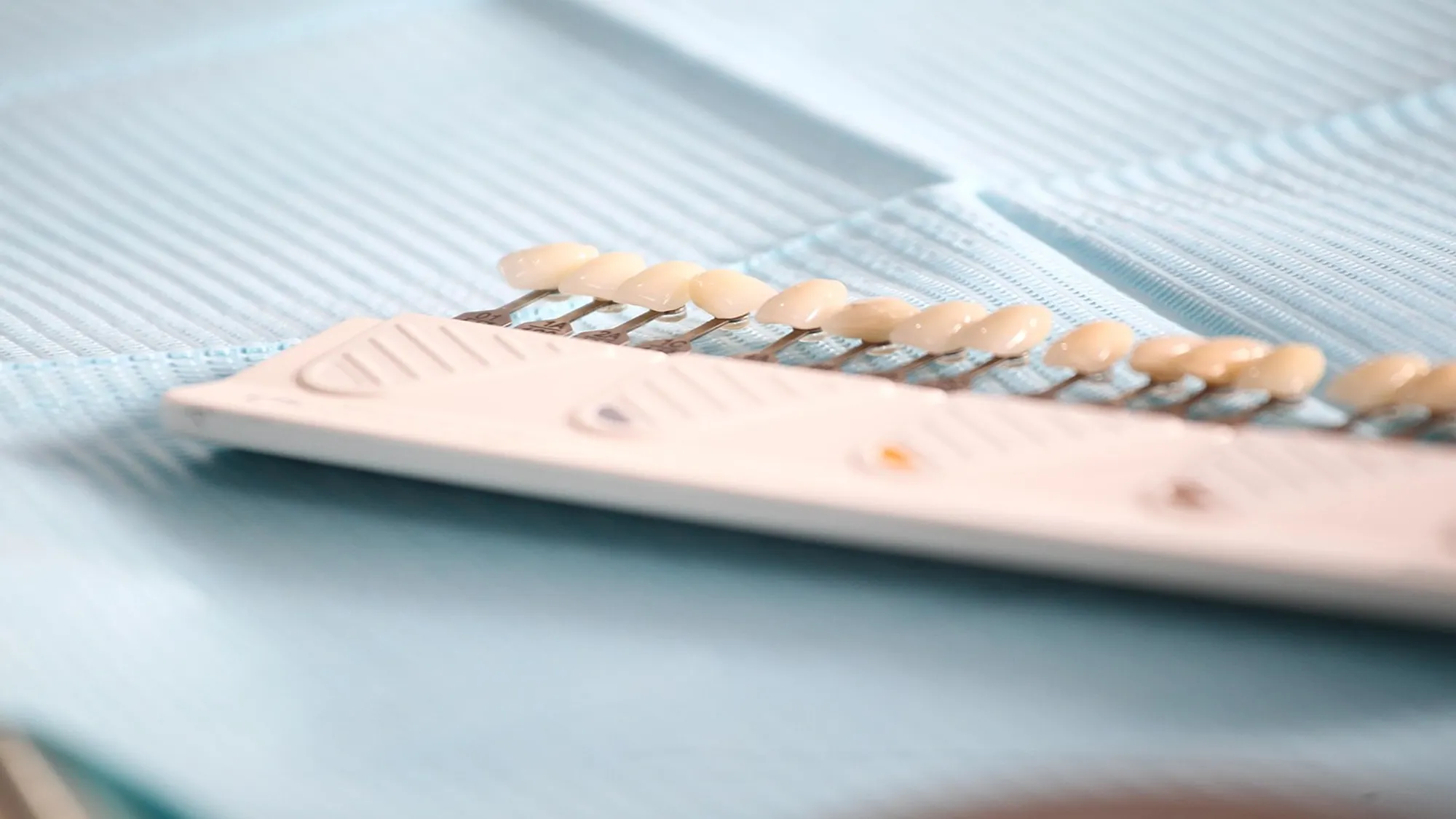
Planning is more important than surgery for implants
Implants placed without considering bone condition
may seem fine initially
but are highly likely to cause problems years later.
Gimjeongdang Dental
strives forimplant treatment that takes full responsibility from start to finish,
considering bone, gums, bite, and maintenance.
"We can do it all, but we don't do it for just anyone."
Feel Good Dental Clinic can perform both high-difficulty implants and bone grafting treatments,
but we first consider whether it's truly necessary,
the best option for their current condition,
and whether it's sustainable long-term.
We do not recommend unnecessary surgery.
We preserve what we can whenever possible,
and perform procedures precisely when needed.
That is the treatment principle of Gimmungood Dental.
Types of Bone Grafting and Gum Grafting Available at Feel Good Dental Clinic
Sinus Lift
This is a highly complex procedure performed when bone is insufficient in the upper molar region.
It involves safely elevating the maxillary sinus to create space for implants, then reinforcing it with graft material to build bone.
i-GBR (Extraction and Bone Preservation)
When extensive bone damage prevents immediate implant placement after extraction,
this procedure involves preemptively grafting bone necessary for implant surgery.
This accelerates the timing for subsequent implant placement
and also inhibits keratinized gingival atrophy.
Apical Displacement Flap Surgery
When the hard gum (keratinized gingiva) is thin or an unfavorable environment for implant maintenance is anticipated,
the incision line is designed and sutured during implant placement or secondary surgery
to create a 'strong gum environment'.
Gingival Graft
When a large amount of keratinized gingiva is needed, it is harvested from areas like the palate (roof of the mouth)
and transplanted to the required site.
This creates a natural, easy-to-maintain gum line that considers both function and aesthetics.
Titanium Mesh Bone Grafting
This advanced bone grafting method maintains stable form even in severely resorbed jawbone and promotes bone regeneration.